Carpet Cleaning in E16

Carpet cleaning in E16 should do more than refresh the surface. It should lift ground-in soil, reduce dullness, and leave fibres feeling cleaner underfoot without over-wetting or leaving a heavy residue. Our carpet cleaning service is designed for homes and workplaces that need practical, careful care for fitted carpets, stair carpets, and other textile floor coverings, with methods chosen to suit the material and the level of soiling.
We work across the main carpet types commonly found in domestic and commercial settings, from everyday synthetic pile to more delicate wool blends that benefit from a gentler approach. The aim is straightforward: remove the dirt that regular vacuuming cannot reach, treat marks where suitable, and leave the carpet looking more even in colour and texture. If you are comparing options, it helps to think about fibre type, traffic level and whether the carpet needs a routine clean or a deeper restorative treatment.
For a tailored quotation, tell us about the carpet, the rooms involved and any visible staining, and we can suggest the most suitable cleaning plan.
Tailored carpet care for different rooms and fibres
Every carpet presents a slightly different cleaning challenge. Hallways and reception spaces often collect tracked-in grit, while bedrooms may need a lighter refresh that keeps fibres soft and neat. Wool carpets, synthetic blends and looped weaves all respond differently to moisture, agitation and cleaning chemistry, so a good service begins with identifying the material and the level of wear before any treatment is chosen.
We focus on a balanced result: enough cleaning action to remove stubborn soil, but not so much that the carpet is left flattened or over-wet. In practical terms, this can mean targeted stain treatment, controlled deep cleaning and attention to edges, corners and traffic lanes where dirt tends to settle first. Carpet cleaning is most effective when the process is matched to the fibres rather than treated as one single method for every room.
Useful factors to consider before arranging work include:
- the carpet fibre and pile construction
- the size and number of rooms
- the presence of spills, pet marks or tracked-in mud
- whether the carpet has been cleaned recently or not at all
- any access issues such as stairs, fitted furniture or limited parking nearby
What a deeper clean can improve
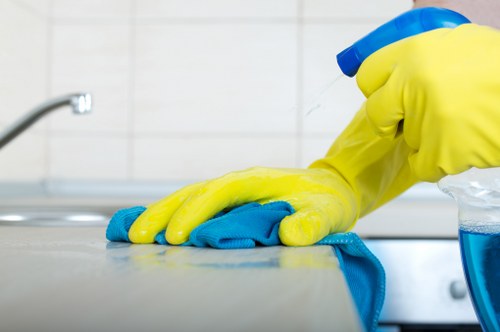
A deeper carpet clean is often chosen when vacuuming alone is no longer enough to keep the floor looking presentable. It can help restore a more even appearance after daily footfall, bring back definition to flattened pile, and remove the fine dust that settles below the surface. In many settings, the visible difference is matched by a more practical one: carpets feel less tired and are easier to maintain afterwards.
There are also situations where a careful clean is preferable to replacement. If the carpet is structurally sound but has simply accumulated soil, a professional service may extend its usable life and delay the need for new flooring. Where suitable, spot treatment can be used for isolated spills, though not every mark can be removed completely. We always work with the condition of the fibres in mind, because the right result is a cleaner carpet, not a damaged one.
When you are ready to compare options, a short note about the rooms and the type of staining usually helps us narrow the scope. You can also review pricing and quotes if you want to understand how different carpet sizes and cleaning requirements are typically assessed.
Deep cleaning, maintenance cleaning and stain treatment
Many customers do not need the same level of treatment everywhere. A busy ground-floor carpet may benefit from deeper extraction, while a lightly used room may only need a maintenance clean to lift dust and refresh the pile. We shape the work around the condition of the carpet, aiming for a sensible balance between appearance, drying and fibre care.
Stain treatment is an important part of that process, but it should be approached carefully. Spills, tea marks, food spots and general discolouration can react differently depending on the material and how long the stain has been present. Where appropriate, pre-treatment may be used before the main clean so the solution can work on the dirt more effectively. For more general property-wide refreshes, deep cleaning can also be considered alongside carpet care when the wider space needs attention.
Supported carpet cleaning work commonly includes pre-inspection, vacuuming where helpful, targeted treatment, controlled cleaning and a final check of the finished result. If there are any delicate areas, such as seam edges or trimmed thresholds, these are handled with extra care so the carpet remains neat and usable after the service.
Homes, rentals and business premises

Carpet cleaning is relevant to more than one kind of property. In homes, it may be used to freshen bedrooms, stairs, lounges and dining rooms. In rental properties, it can help bring carpets back to a presentable standard between tenancies, especially when floors have picked up heavier use. In business premises, cleaner carpets can support a tidier, more professional impression in places such as offices, waiting rooms and shared areas.
Where a property is used by several people, the carpet often shows wear in predictable patterns. Entrances, corridors and turning points can look noticeably darker than the rest of the floor, even if the carpet is not heavily stained. A well-planned clean focuses on those areas first, then works across the room for a more uniform finish. If the wider property needs attention too, it may be useful to look at domestic cleaning for homes or office cleaning for workspaces.
The right service plan depends on the setting, the carpet type and the level of disruption that can be accommodated. That is why it helps to describe the rooms clearly when asking for a quotation, especially if access, furniture or timing needs to be considered in advance.
How we approach the cleaning process
Effective carpet cleaning usually follows a clear sequence. The carpet is first assessed for fibre type, wear and any visible spots. Then any loose soil is removed and problem areas are treated where appropriate. Only after that does the main cleaning stage begin, using a method suited to the carpet’s condition. This measured approach is important because it helps avoid unnecessary moisture and supports a more even finish.
The drying stage matters as much as the cleaning itself. A carpet that is left too damp can take longer to settle and may feel less comfortable underfoot. For that reason, our process is designed to control the amount of cleaning solution used and to avoid overworking sensitive fibres. If you need a broader property refresh, one-off cleaning can provide a useful wider context alongside carpet care.
Before we start, it is usually enough to know which rooms are involved, whether furniture needs to be worked around and if there are any stains that need special attention. That information helps shape a cleaner, more practical quotation without adding unnecessary steps for you.
About E16
E16 is a postcode district in east London that includes areas with a distinctly varied urban character, from the regenerated Royal Docks waterfront to parts of Canning Town, Custom House and Silvertown. The district has been shaped by its long relationship with docklands, industry and transport, and much of its present-day landscape reflects successive waves of change rather than a single building period. Old industrial land, newer housing and major infrastructure sit close together, giving the area a layered feel that is especially clear around the waterways and former dock basins. The Royal Docks remain one of the most recognisable features, with wide open water, quayside paths and views that contrast sharply with the denser street patterns inland. The area also includes links to the River Thames, and the presence of crossings, tunnels and rail connections has long influenced movement through the district. Nearby ExCeL London has become one of the best-known landmarks associated with the postcode, while parks, residential streets and local centres provide a more everyday rhythm away from the larger venues. E16 has also seen notable residential growth in recent years, but traces of its industrial past remain visible in the scale of the streets, the mix of warehouse-style structures and the maritime place names that appear across the district. The result is a place that combines working-waterfront history, modern redevelopment and a strong sense of east London identity.
Practical details when arranging a quotation

When you ask for a quotation, clear basic information helps us suggest the right service without making the process drawn out. The most useful details are the carpeted rooms, the approximate size of the area, the fibre if you know it, and whether there are specific spots or odours that need attention. If the carpet sits beneath heavy furniture, mention that too, as it can affect how much of the floor can be cleaned on the visit.
It is also sensible to note anything that may affect access or preparation, such as stairs, parking considerations, fragile furnishings or the need to work around other activities in the property. A concise description is usually enough; you do not need to over-prepare. If you would like to compare related services, upholstery cleaning may be relevant where sofas and chairs are also looking tired, while rug cleaning suits loose floor coverings that need separate treatment.
For straightforward planning, think about the result you want. Some customers want a brightened-up finish after a season of heavy use, while others are trying to tackle a specific mark or prepare a property for new occupants. A good quotation reflects the actual work needed, not a one-size-fits-all package.
Carpet cleaning for broader property care
Carpet cleaning often sits alongside other property maintenance tasks rather than standing alone. A cleaner floor can make the rest of a room feel more orderly, but it works best when the surrounding surfaces are also kept in reasonable condition. That is why some customers choose to schedule carpets with related cleaning for floors, fabrics or rooms that have built up dust over time.
If the aim is to refresh a whole interior, there are several sensible ways to combine tasks. For example, heavily used homes may benefit from a mix of floor and soft-furnishing care, while offices may need carpet attention in shared walkways and reception spaces. A more general service such as house cleaning or office cleaners can complement carpet work where the broader environment needs tidying as well as floor cleaning.
This approach is especially helpful when a property has a mixture of carpeted and hard-surfaced areas. By thinking through the wider rooms at the same time, you can decide whether the priority is a single carpet clean, a larger internal refresh or a combination that makes the most practical sense for the space.
Choosing the right cleaning method

Choosing a carpet cleaning method is not just about getting the most intensive option. Some carpets need a stronger clean because of heavy traffic or visible soil, while others are better treated with a more cautious approach. The right method depends on the fibre, pile height, backing, previous cleaning history and how much drying time is acceptable after the work is finished.
In rooms where the carpet is still in good condition but looks tired, a careful maintenance clean may be enough. In areas that have seen repeated spills or long-term soiling, a more thorough deep clean may be more appropriate. Either way, the aim is to improve the appearance and feel of the carpet without creating unnecessary wear. If your enquiry relates to a larger project, after builders cleaning can be relevant when carpets and other surfaces have been affected by renovation dust.
To request a quotation, send a brief description of the carpeted areas and any known issues, and we will respond with the most suitable next step for your property.