Health and Safety Policy for Carpetcleaning E16
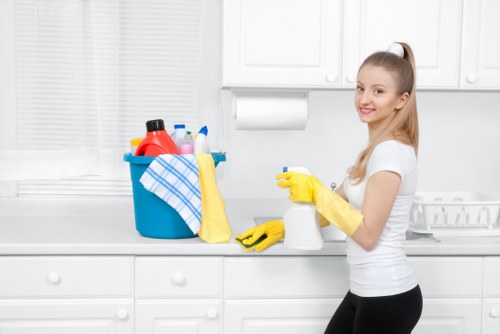 This health and safety policy sets out the standards used in carpetcleaning E16 to protect staff, clients, visitors, and anyone who may be affected by cleaning activities. The aim is to reduce risk, maintain safe working practices, and ensure that every carpet cleaning task is carried out with care, competence, and respect for the environment in which the work takes place.
All operatives involved in carpet cleaning services must work in a way that prevents injury, minimises exposure to hazards, and supports a clean and safe finish. This applies to routine domestic cleaning, commercial carpet care, stain removal, and restorative treatments. Safety is considered before, during, and after each job, with responsibilities clearly understood by everyone involved.
We recognise that carpet cleaners may encounter wet floors, electrical equipment, chemical products, lifting tasks, and occupied premises. For that reason, this policy places equal importance on prevention, preparation, communication, and prompt action when risks appear. The standards below are designed to support reliable work while reducing avoidable incidents.
Core Safety Principles
Every carpet cleaning E16 job must begin with a basic risk assessment. This includes checking access routes, identifying trip hazards, confirming ventilation, and reviewing the condition of the carpet and surrounding surfaces. If any task appears unsafe, it must be paused until the hazard is controlled.
Operatives must use suitable equipment and only apply products that are approved for the task. Cleaning agents must be handled in line with manufacturer instructions, with attention to dilution, storage, and contact time. Personal protective equipment, such as gloves or non-slip footwear, should be worn when needed to reduce contact with moisture, fibres, or chemicals.
 Good housekeeping is essential during carpet cleaning. Hoses, leads, tools, and containers should be arranged to avoid blocking exits or creating tripping points. Wet areas should be clearly managed, and warning measures should be used where a surface may remain damp. Floors must be left as safe as reasonably possible when the work is complete.
Training and supervision are key parts of this policy. Staff carrying out carpetcleaning duties must understand safe machine operation, correct product use, manual handling, and emergency procedures. New workers should receive instruction before working independently, and refresher training should be provided whenever methods, equipment, or product types change.
Manual handling must be approached carefully. Moving machines, lifting solution containers, and repositioning furniture can place strain on the back, shoulders, or hands. Where possible, heavy items should be moved with assistance or equipment designed for safe handling. Staff should assess weight, shape, and distance before attempting any lift as part of responsible carpet care.
 Attention must also be given to electrical safety. Portable machines should be inspected before use, and damaged cables, plugs, or switches must not be used. Equipment should be kept away from standing water where practical, and power sources should be managed to prevent overload or accidental contact. Any fault discovered during carpetcleaning E16 work must be reported and the item removed from service.
Working Safely in Occupied and Shared Premises
Many carpet cleaning services are carried out in homes, offices, or other shared environments, so communication is important. Occupants or site managers should be informed about the expected process, drying time, and any areas that must remain undisturbed. Clear coordination helps prevent slips, interruption, and confusion during the visit.
Where work is taking place around furniture, fixtures, or personal belongings, care must be taken to avoid damage. Items should only be moved when necessary and only by staff who are able to do so safely. If a client requests a particular arrangement, this must be considered alongside the need to maintain safe access and stable working conditions.
Ventilation should be maintained when using cleaning solutions or moisture-heavy methods. This supports quicker drying and lowers the risk of discomfort from fumes or damp air. Good airflow is especially important in enclosed rooms where carpet cleaning E16 activity may otherwise leave surfaces slippery or slow to dry.
Emergency readiness is part of everyday safe practice. Staff should know how to respond to spills, injuries, chemical exposure, and equipment failure. First aid materials should be available where appropriate, and any incident must be reported promptly so corrective action can be taken. The focus is always on swift, calm, and practical response.
If a product is accidentally splashed into the eyes or comes into contact with skin, the affected area should be rinsed immediately according to the product instructions and medical attention sought if needed. Similarly, if a machine overheats, emits unusual noise, or behaves unexpectedly, it must be switched off and checked before further use. This careful approach supports safe carpetcleaning operations at all times.
 Waste materials, used cloths, and empty containers must be disposed of responsibly. Spilled liquid should be cleaned quickly, and the area should not be left unattended if it presents a slipping hazard. The work area should be inspected before departure to confirm that the premises are left tidy, safe, and ready for normal use.
Responsibilities and Continuous Improvement
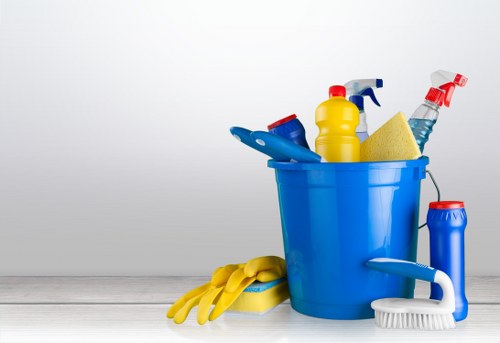 Management is responsible for providing safe systems of work, appropriate equipment, and clear instructions for every carpet cleaning task. Operatives are expected to follow procedures, use judgment, and report any concern that may affect safety. Shared responsibility helps create a culture where hazards are addressed early rather than ignored.
This policy is reviewed regularly to make sure it remains effective and suitable for current methods, products, and working conditions. Updates may be introduced after an incident, a change in equipment, or the identification of a new risk. Continuous improvement supports safer carpetcleaning E16 work and more consistent outcomes for every property.
By following these principles, carpetcleaning E16 work can be completed efficiently while protecting people, property, and professional standards. Safety is not treated as an extra step; it is built into every stage of the cleaning process and remains central to the delivery of dependable carpet cleaning services.